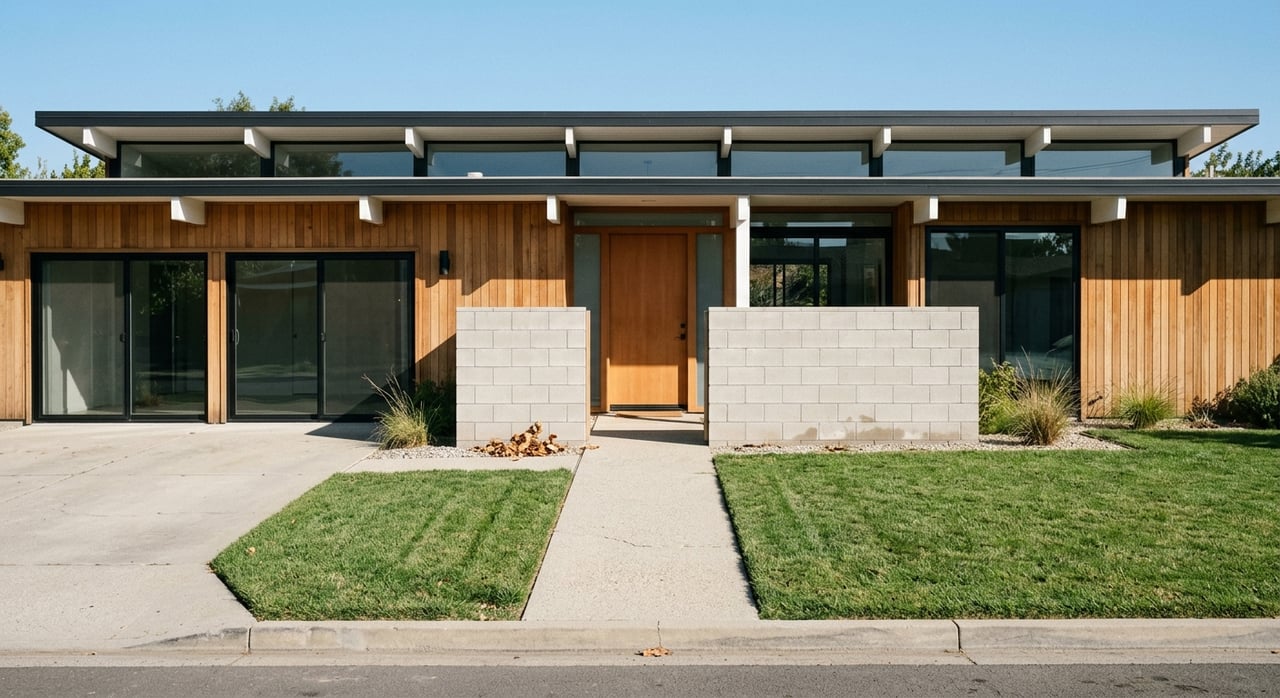
Thinking about buying an Eichler in Sunnyvale? You are not just shopping for a house. You are choosing a specific architectural style, a specific ownership experience, and a place in one of Silicon Valley’s most competitive housing markets. If you understand how Sunnyvale Eichlers differ, what the city expects for changes, and how that affects your budget and plans, you can make a smarter decision with fewer surprises. Let’s dive in.
Why Sunnyvale Eichlers Stand Out
Sunnyvale is a city known for technology, innovation, and established residential areas. The city also notes a mild climate, 27 parks, a year-round farmers market, and a population of 161,884. In that setting, Eichler homes have carved out a distinct niche for buyers who appreciate modern design and indoor-outdoor living.
Sunnyvale’s earliest Eichler tracts include Sunnyvale Manor, Sunnymount Gardens, and Sunnyvale Manor Addition No. 1, built from 1948 to 1950. Later mapped Eichler neighborhoods include Midtown, Parmer Place No. 1 and 2, Rancho Verde, Fairbrae No. 1 through 5, Fairbrae Addition, Fairorchard, Rancho Sans Souci, Fairwood No. 1 and 2, Fairwood Addition, and Fairpark Addition. That broad footprint means Eichlers are not limited to just one pocket of the city.
It is also important to know that Sunnyvale’s Eichler neighborhood maps are informational only. The city says buyers and owners should confirm boundaries against primary sources and actual field conditions. If a home is marketed as an Eichler, verifying the tract and property details is a smart step before you move forward.
What Makes an Eichler an Eichler
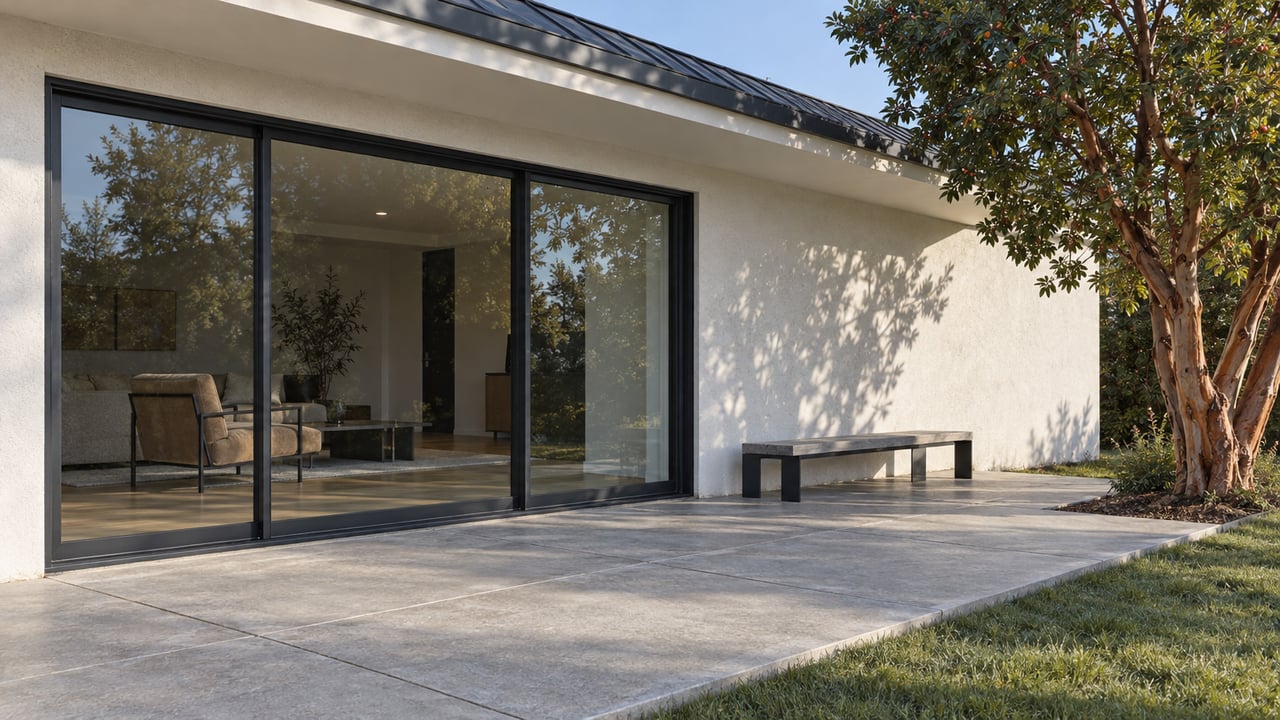
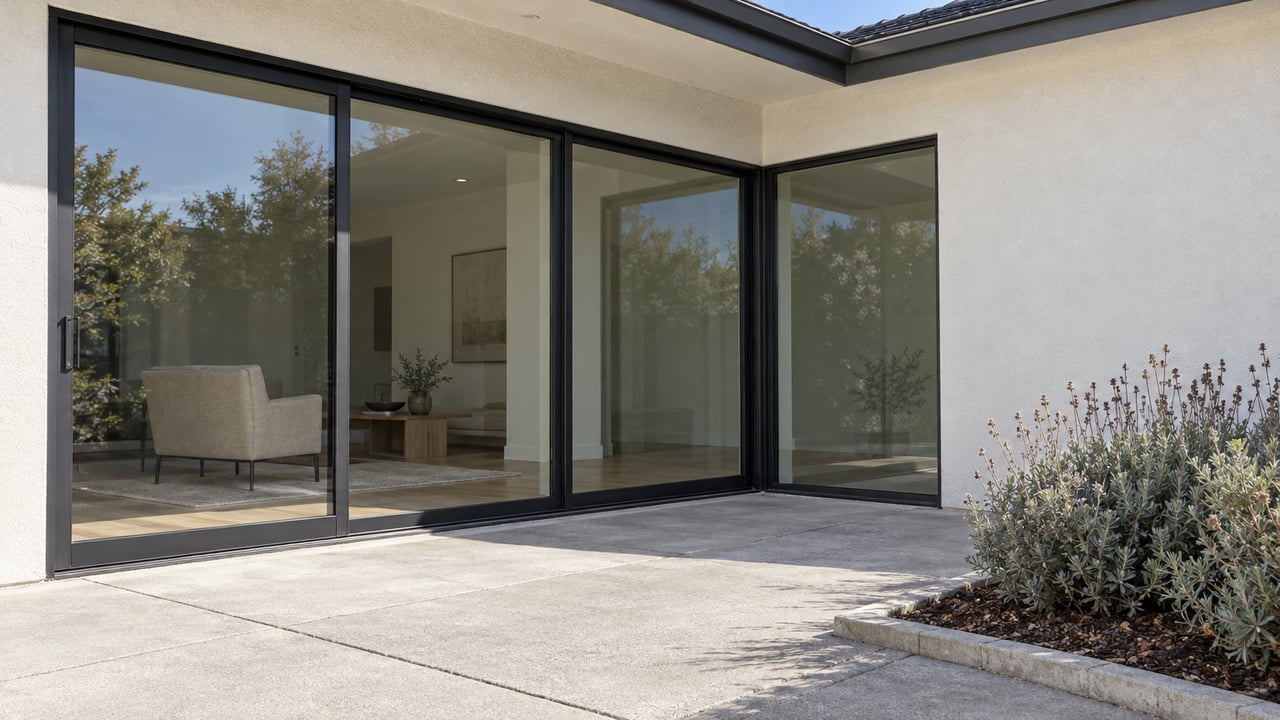
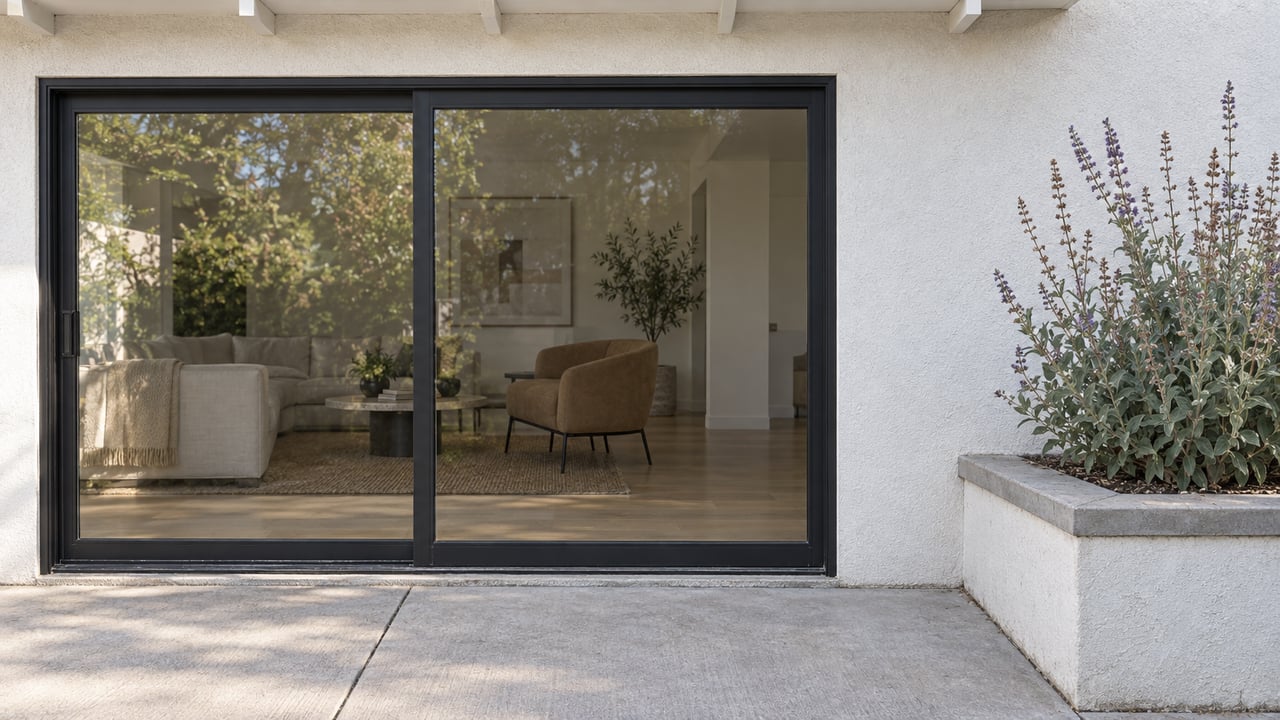
Sunnyvale describes Eichler homes as modern tract homes with open-plan layouts, large glass areas, post-and-beam construction, low roof heights, horizontal massing, and slab-on-grade construction. Many also feature radiant floor heating, exposed beams, vertical-grooved wood siding, and flat or low-pitched roofs. These design choices are a big part of why Eichlers continue to attract attention.
For many buyers, the appeal starts with light and openness. Floor-to-ceiling rear glass, indoor-outdoor flow, and atrium-centered living create a very different feel from a more conventional ranch home. If you value architectural character and a strong connection between interior and exterior space, this style can be a great fit.
That said, Sunnyvale Eichlers are not all identical. The city’s historical survey notes that some early homes were more conventional in plan and street orientation. Some early tracts included raised foundations and attached garages, while Sunnymount Gardens had larger lots, more self-contained layouts, and several homes with side entries and two-car garages.
Expect Variation by Tract and Era
One of the biggest mistakes buyers make is assuming every Sunnyvale Eichler follows the same formula. The city’s design guidelines explain that while many share recessed entries, carports, front-wall offsets, and interior or entry atriums, floor plans evolved over time. In simple terms, Sunnyvale Eichlers are better understood as a family of related homes than one standard model.
That matters when you compare properties. One home may feel very close to the classic Eichler image, while another may blend Eichler elements with a more conventional layout. If you are serious about buying one, it helps to compare homes by tract, age, and level of originality instead of relying only on the label.
Sunnyvale Market Conditions Matter Too
Buying an Eichler in Sunnyvale is also a market decision. According to Redfin, Sunnyvale’s median sale price in May 2026 was $1,788,929, median days on market were 11, the average home received 4 offers, and the sale-to-list price ratio was 106.3%. Zillow reported a similar median sale price of $1,804,667 in April 2026.
Those numbers tell you two things. First, Sunnyvale is an expensive market with home values around the $1.8 million mark. Second, homes can move quickly, and competition can be strong.
That fast-moving environment can be especially important with architecturally distinctive homes. If an Eichler checks the boxes for style, condition, and location, you may be competing with other buyers who have been waiting for that exact kind of property. Preparation matters.
What to Review Before You Make an Offer
When you tour an Eichler in Sunnyvale, it helps to look beyond the design appeal. These homes often come with ownership considerations that are different from a typical suburban house.
Focus your review on these areas:
- Windows and glass: Sunnyvale treats like-for-like replacement differently from changes in size or location. If past owners changed window openings, planning approval may have been required.
- Heating and cooling: Many Eichlers were built with radiant floor heating in concrete slabs. Updated HVAC systems can work well, but the city recommends approaches that minimize visual impact and protect the original roof form.
- Roof and solar: Flat or low-pitched roofs are part of the architectural look. If solar has been added, the city recommends integrated, less visually obtrusive panel profiles and angles where possible.
- Atriums: Atriums are a signature feature, but atrium covers can raise both design and code issues. The city notes that code may limit covers where bedroom egress windows open onto the courtyard.
- Materials and exterior details: Replacement siding, doors, windows, roofing, and fences can all affect how closely the home matches its original design.
If a home has been remodeled, ask whether the work preserved the original architecture or significantly changed it. In an Eichler, that distinction can affect both future projects and overall appeal.
Renovation Rules Can Shape Your Plans
This is one of the most important points for buyers. Sunnyvale’s Eichler design guidelines apply to exterior changes to original Eichlers and even to non-Eichler homes within mapped Eichler neighborhoods. In other words, the Eichler designation can affect more than just historic interest. It can directly shape what you can do to the property’s exterior.
Sunnyvale requires design review for any new house, any floor-area increase of 20% or more, any second-story component, homes exceeding the FAR threshold, and any exterior change that significantly alters appearance. The city’s guidelines also favor additions that stay low and visually compatible with the original design.
If your dream plan includes a major second-story expansion or a dramatic façade redesign, an Eichler may not be the best match. If your goal is to enjoy the architecture and make thoughtful, compatible updates, the fit may be much stronger.
Small Exterior Changes May Not Be Small
With Eichlers, even projects that seem simple can trigger review. Sunnyvale notes that some fence changes may require permits or setbacks. Window replacements must also meet current code requirements for items such as U-factor, solar heat gain, egress, tempered glass, and smoke and carbon monoxide alarms.
This does not mean updates are impossible. It means they should be planned carefully. Before buying, it is wise to think about whether you want a mostly move-in-ready Eichler or a home that will need time, planning, and specialized work after closing.
Why Specialized Experience Helps
Sunnyvale strongly encourages owners to work with architects, designers, contractors, and material suppliers who have Eichler experience. That advice is practical. These homes use specific forms, materials, and proportions that are easy to disrupt with generic remodeling choices.
For example, the city advises matching original materials and details as closely as possible, using windows appropriate to the Eichler style, and avoiding overly detailed replacements, elaborate doors, or concrete-tile roof replacements. A contractor who understands that approach can help you avoid expensive missteps.
As a buyer, you do not need to become an architect. You do need to know that buying an Eichler often means building the right team around you if you plan to update anything.
Is an Eichler Right for You?
A Sunnyvale Eichler can be an excellent choice if you value natural light, open living, low-slung modern design, and architectural authenticity. It may also suit you if you appreciate indoor-outdoor flow and are comfortable maintaining a home with style-specific details.
It may be less ideal if your top priority is maximizing square footage through a large vertical addition or fully reshaping the exterior look. Sunnyvale’s preservation-minded guidance clearly supports keeping Eichler forms simple, low, and modern.
The real question is not whether Eichlers are good or bad. It is whether this type of home fits your budget, lifestyle, and renovation goals in Sunnyvale’s competitive market.
How to Buy Smart in Sunnyvale
If you are considering an Eichler purchase, a few practical steps can help you move with more confidence:
- Verify the tract and property context. Confirm whether the home sits within a mapped Eichler neighborhood and whether the designation may affect exterior changes.
- Study the home’s originality and updates. Look at windows, rooflines, heating and cooling systems, atriums, and exterior materials.
- Review your renovation goals early. Make sure your wish list aligns with Sunnyvale’s design review framework.
- Prepare for competition. Sunnyvale homes can move fast, and distinctive properties may attract strong interest.
- Build a knowledgeable team. Local guidance and Eichler-aware professionals can save time and reduce surprises.
Buying an Eichler in Sunnyvale is both a location decision and a design decision. When you understand both sides, you are in a much better position to choose a home that feels right now and still works well for you years from now.
If you want clear, data-driven guidance as you compare Sunnyvale homes and weigh the pros and cons of a distinctive property type like an Eichler, NAVJIT SANGHA can help you make a smart, confident move.
FAQs
What defines an Eichler home in Sunnyvale?
- Sunnyvale describes Eichlers as modern tract homes with open layouts, large glass areas, post-and-beam construction, low rooflines, slab-on-grade foundations, and features like atriums, exposed beams, and radiant floor heating.
Are all Sunnyvale Eichler homes the same floor plan?
- No. Sunnyvale says the floor plans evolved over time, so buyers should expect variation by tract and era rather than one identical layout.
Do Sunnyvale Eichler neighborhoods affect renovation rules?
- Yes. Sunnyvale’s Eichler design guidelines apply to exterior changes on original Eichlers and also to non-Eichler homes within mapped Eichler neighborhoods.
What should buyers check when touring a Sunnyvale Eichler?
- Pay close attention to windows, heating and cooling systems, roof and solar setup, atrium changes, and whether exterior materials and details appear consistent with the home’s original design.
Can you expand or remodel a Sunnyvale Eichler easily?
- Not always. Sunnyvale requires design review for certain larger projects and favors additions that remain low and visually compatible with the original architecture.
Is Sunnyvale a competitive market for Eichler buyers?
- Yes. Recent market data shows Sunnyvale homes around the $1.8 million median sale price range, with quick timelines and multiple offers, which can make preparation especially important.