The South County Courthouse sits on Diana Avenue in downtown Morgan Hill, an easy walk from the shops on Monterey Road. If you've just inherited a house in town and started searching for where to open probate, that address is the natural first guess. It's also the wrong one. The Santa Clara County Superior Court lists the Diana Avenue courthouse as handling small claims and traffic citations. According to the Santa Clara County Superior Court's Probate Division, every probate matter in Santa Clara County, including a house a few blocks from that courthouse, gets filed at the Downtown Superior Court on North First Street in San Jose, where the Probate Clerk's Office sits in Room 107.
That mix-up costs a phone call and an afternoon, not much more. But it previews the larger pattern an executor runs into here. The rules that govern an inherited Morgan Hill house are written for Santa Clara County as a whole, and those rules assume home values that most South County houses have already outgrown.
A new state law that mostly doesn't apply here
California lawmakers spent the last two years trying to keep more families out of probate court entirely. According to DH Trust Law, Assembly Bill 2016 expanded the simplified transfer process so that, for deaths occurring after April 1, 2026, an estate can bypass full probate for a primary residence valued at $750,000 or less, as long as the decedent's other personal property stays under a separate $239,700 limit. It's a genuine fix, and it will spare a lot of California families a court process that otherwise runs for months.
It will spare very few Morgan Hill families. The average home value in Morgan Hill was $1,342,982 as of the market update covering the year through late June 2026, up 1.3 percent from the year before. That's nearly double the AB 2016 residence ceiling.
The shortcut that actually helps
If the newest law mostly bypasses South County, the shortcut that matters here is an older one. The Independent Administration of Estates Act (IAEA) is an older option for an executor to discuss with a probate attorney. According to Swift Probate, Santa Clara County courts routinely grant IAEA authority.
An executor should raise the question of IAEA authority with their probate attorney in the very first filing, not after an offer is already sitting on the table waiting for a hearing date.
The fee math nobody explains correctly
The statutory fee schedule feels more generous than it turns out to be once you see how it's calculated. According to Catalina Structured Funding, California sets statutory probate fees on a fixed percentage schedule. Living Trust Attorneys explains that the schedule is applied to the gross fair market value of the estate, not to what's left after the mortgage.
| Portion of estate value | Statutory fee rate |
|---|---|
| First $100,000 | 4% |
| Next $100,000 | 3% |
| Next $800,000 | 2% |
| Next $9,000,000 | 1% |
Both the attorney and the executor are entitled to fees calculated on this same schedule. On a $1.5 million estate, a realistic figure for an ordinary Morgan Hill house with some savings attached, the two fees can still add up before a single repair or closing cost is paid. Living Trust Attorneys explains the underlying logic plainly: a home worth $1 million with a $600,000 mortgage is still calculated at $1 million for fee purposes. The loan balance never enters the equation. That surprises a lot of families who assumed the fee would track what they actually stand to inherit rather than what the house appraises for on paper.
The newspaper clock
Independent administration and the fee schedule both run inside a process with its own hard floor. Once the court appoints a personal representative, state law requires notice to be published in a newspaper of general circulation for three consecutive weeks. According to Lawvex, the creditor claim period that follows runs a minimum of four months from the date Letters are issued. In South County, that publication typically runs in the Gilroy Dispatch or the Morgan Hill Times, which PublishMyNotice identifies as legally adjudicated papers for this kind of notice.
None of this bends to the local housing market. A house that would sell in eleven days on the open market still sits inside the legal process, no matter how fast the buyer moves.
Two Morgan Hills, two different markets
What varies is which version of the Morgan Hill housing market an executor is actually selling into, and right now the two versions don't behave the same way. Citywide, homes sold in an average of 11 days as of the market snapshot covering activity through July 2026, down from 18 days the year before, with 110 homes sold in May 2026 compared to 105 in May 2025. That's the headline number most people find when they search for the Morgan Hill market.
Downtown Morgan Hill, where much of the city's older housing stock sits, tells a slower story. In that submarket, as of the neighborhood-level data updated in June 2026, homes go pending in around 62 days on average, multiple offers are rare, and the typical home sells for roughly 3 percent below list price. Hot listings there can still move in about 27 days near asking price, but that's the exception rather than the baseline.
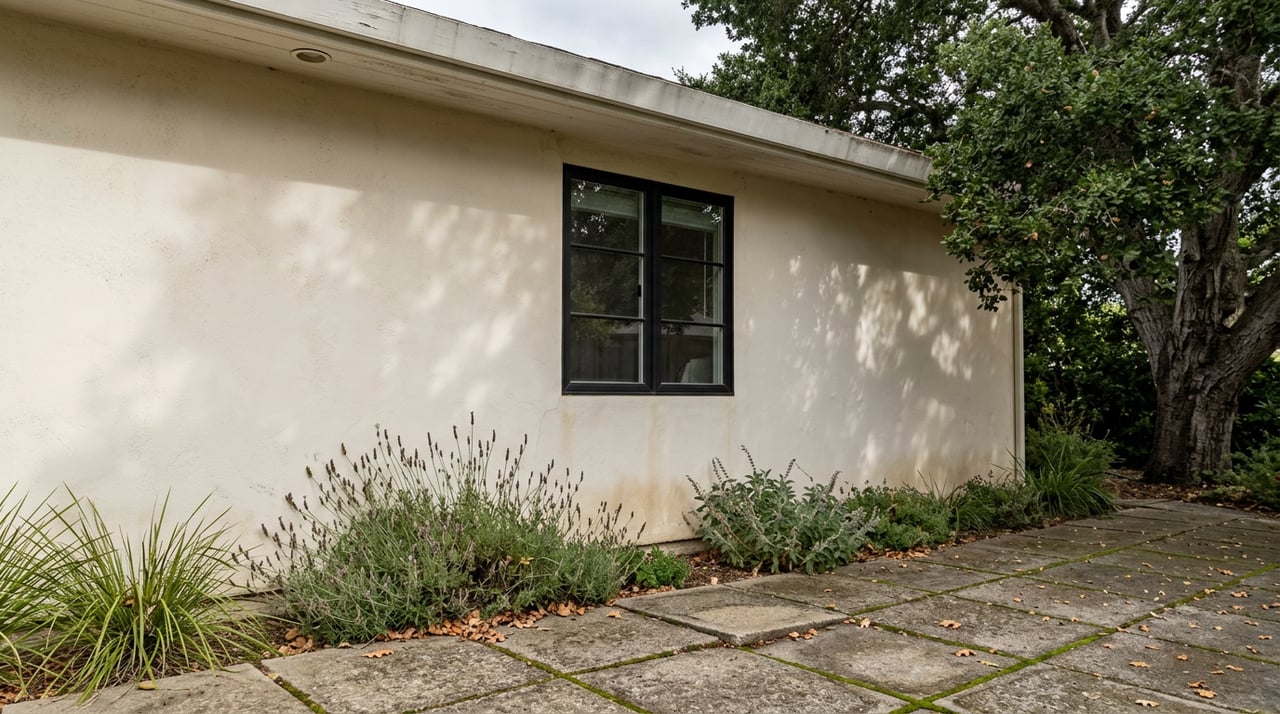
An inherited house is disproportionately likely to be an older home in an established part of town rather than a newer build near the city's edges. An executor who prices against the 11-day citywide headline and lists a decades-old, downtown-adjacent house at an aggressive number is pricing against the wrong comparable set. The court's calendar doesn't care which submarket the house sits in. The list price should.
Frequently asked questions
Can we list the house before probate is finalized? The timing can vary. Ask the probate attorney handling the estate about listing and closing.
Does an existing mortgage lower the statutory fees? No. Both the attorney's fee and the executor's fee are calculated on the estate's gross appraised value, not on the equity remaining after any loan balance.
What if the heirs disagree about timing or price? Disagreements among beneficiaries can stretch a Santa Clara County probate past the typical range, especially when family members want to sell faster, or wait longer, than the market suggests.
Working through it with someone who has done this before
Selling a house that isn't fully yours yet, inside a court process with its own calendar, is a different job than selling a house you've lived in for twenty years. Jeet Sangha holds both an SRES and a probate certification built for exactly this kind of transaction, and works with South County families through the paperwork side of an estate as well as the market side of the sale. Request your free home valuation to see what the current Morgan Hill market, in the specific neighborhood your house sits in, actually supports.
This article is general information, not legal, tax or financial advice. Consult a qualified professional about your situation.