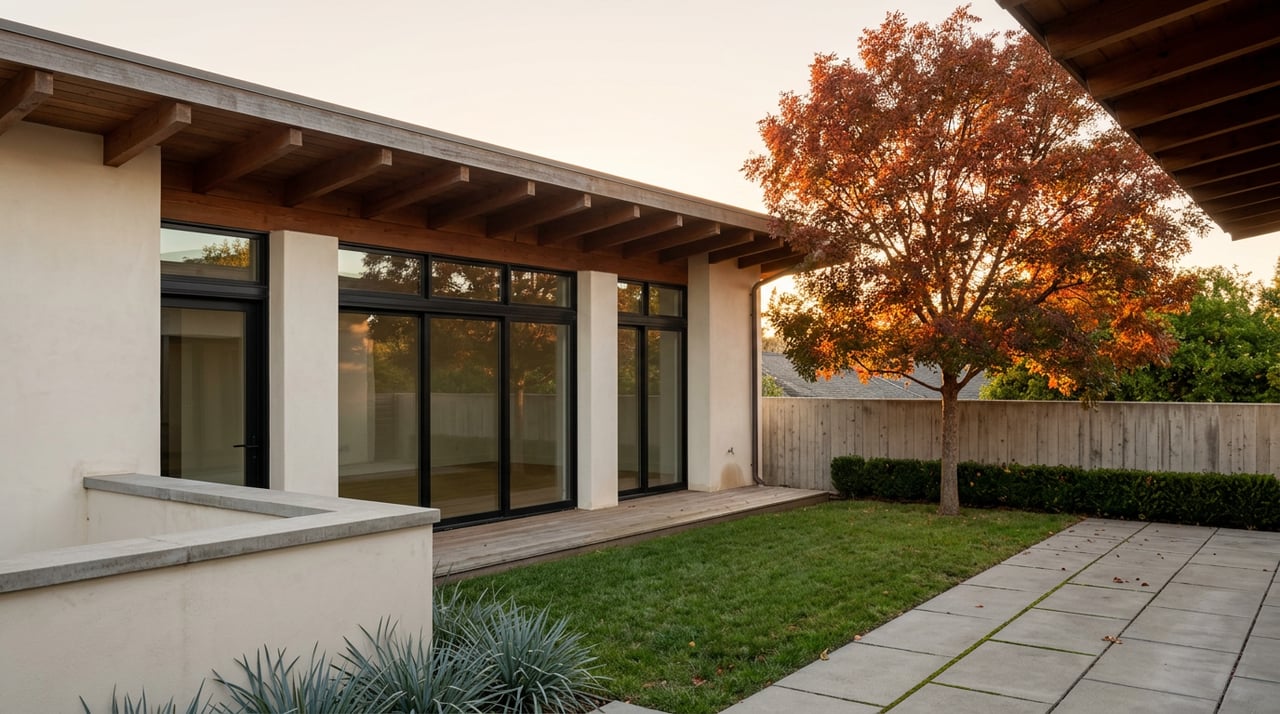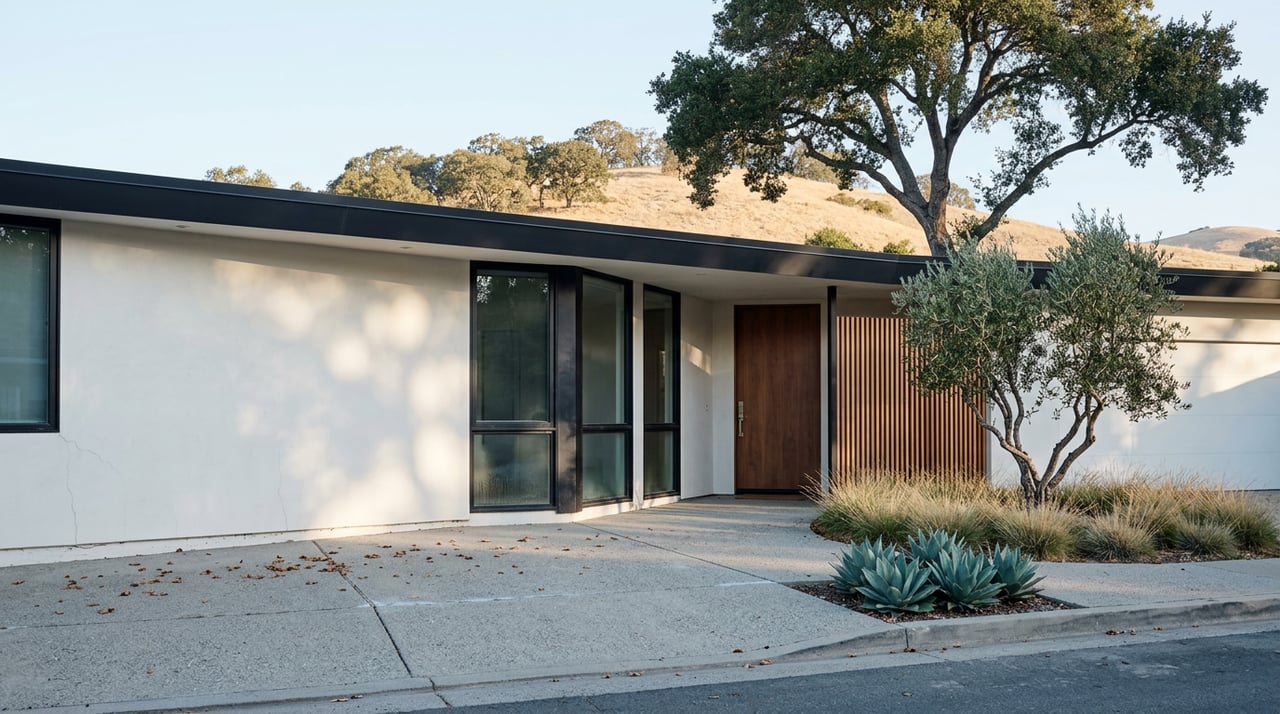
Two houses, same corner of southwest Gilroy, same rough square footage, same list price. One sits inside Glen Loma Ranch, where builders are still pouring foundations across its 17 planned neighborhoods. The other is a resale a half mile away, near the gated golf-course community of Eagle Ridge, built during the early 2000s boom. Ask a buyer which one carries more paperwork risk and most will point at the new build. It's the opposite. The brand-new house comes with a legally required disclosure spelling out its special tax obligation in the purchase contract itself. The resale might not.
That inversion is the thing worth understanding before you write an offer in this part of town, because it changes where you need to do your own homework.
The tax that never shows up in the listing price
Gilroy has used Mello-Roos financing for years. The city's own Community Facilities District page lays out the mechanism plainly: when Proposition 13 capped how fast local governments could raise property tax revenue, the state created the Mello-Roos Community Facilities Act of 1982 as a workaround. A city or district gets voter approval, forms a Community Facilities District, issues bonds to pay for streets, sewer systems, water systems, and public safety infrastructure, then places a special tax lien on every property inside the district. Owners pay that special tax every year, on top of the standard 1 percent property tax, until the bonds are retired.
Santa Clara County isn't uniformly built this way. Older, already-developed pockets of the county rarely carry it. But lenders who work new construction across the South Bay have flagged a specific pattern: newer communities in San Jose, Morgan Hill, and Gilroy are the ones most likely to have active CFDs. That's not a coincidence. It's these three cities that have absorbed the bulk of new subdivision construction in southern Santa Clara County over the last two decades, and new subdivisions are exactly where cities lean on Mello-Roos to fund the roads and utilities a builder can't finance alone.
Glen Loma Ranch is a textbook example of the kind of development this financing tool exists for. It sits in the rolling western foothills of Gilroy, bordered by Eagle Ridge Golf Course to the west and Christmas Hill Park and Gilroy High School to the north, and it's being built out as 17 distinct neighborhoods with walking trails and pocket parks threaded through them. New single-family homes are still listed for sale there today, ranging from roughly 1,950 to over 3,100 square feet. That kind of active, multi-phase build is precisely where a CFD is likely to be doing financial work in the background.
Why the new house shows its cards
Here's the part that surprises most buyers. When you purchase in a still-selling subdivision like Glen Loma Ranch, California law requires the developer to hand you a formal Public Report, sometimes called the "White Paper," before you close. That report has to disclose all indebtedness that's a lien on the subdivision, which includes any Mello-Roos bonds. The number isn't buried. It's in your contract package, in writing, before you sign.
Resale doesn't work the same way. A Public Report is only required on new subdivision lots. Once a home changes hands as a resale, no fresh Public Report gets generated, so the amount and duration of an existing Mello-Roos obligation isn't always something the current seller has top of mind or has clearly documented. The seller disclosure package is supposed to flag known special tax obligations, and California Civil Code does require a Notice of Special Tax to be provided to buyers of property within a CFD. But "known" is doing some work in that sentence. An owner who bought a decade ago, refinanced twice, and never looked closely at their tax bill line items may genuinely not know what to disclose. The formal backstop is a recorded notice of special tax lien in the county recorder's office, which does show up on a title company's preliminary title report. That's the document that actually catches what a seller might miss.
So the paper trail runs backward from what most buyers assume. New construction hands you the number. Resale requires you to go find it.
What actually changes between the two transactions
| New Construction (e.g. Glen Loma Ranch) | Resale (e.g. near Eagle Ridge) | |
|---|---|---|
| Required disclosure | Developer's Public Report / Notice of Special Tax, part of the purchase contract | Seller disclosure package, which may be incomplete on older CFDs |
| When you see the number | Before you sign, as a contract exhibit | Whenever the seller or agent surfaces it, sometimes late in escrow |
| Most reliable backstop | The report itself states current and maximum authorized tax | Preliminary title report, which shows the recorded special tax lien |
| Who actually knows the figure | The builder, contractually | Depends on how carefully the current owner has tracked their own tax bill |
Eagle Ridge itself, built out mostly in the early 2000s as a gated community around its golf course, is old enough that any original CFD obligations tied to its initial infrastructure could be well into their repayment schedule, or could have already retired. That's exactly the kind of detail a preliminary title report will confirm and a casual conversation with a seller might not.
The number itself doesn't move with price, and that matters more on the entry-price homes
Here's the mechanism that makes this worth tracking rather than shrugging off. Mello-Roos is typically levied as a fixed dollar amount tied to the property's use, square footage, or lot size, set by the district's formation formula. It is not a percentage of the home's value the way your base property tax is. That means if a CFD in the Glen Loma Ranch footprint levies a flat annual amount, that same dollar figure applies whether the home costs $1.1 million or lands at the higher end of the community's price range. Proportionally, it takes a bigger bite out of the entry-level buyer's budget than the buyer purchasing the largest floor plan in the same district.
That's the opposite of how most of California's property tax system works, where your bill scales with what you paid. It's worth knowing which way this particular line item runs before you assume a smaller, less expensive home in a CFD is automatically the more affordable monthly payment.
Santa Clara County buyers looking at CFD-heavy new construction more broadly should expect an effective property tax rate, base rate plus Mello-Roos combined, that can run higher than a comparable non-CFD neighborhood. The actual number for any specific Glen Loma Ranch address is only ever fully accurate when it comes from that property's own tax bill or the county assessor's parcel record, not from a general range.
How to check before you fall for the house
- Pull the property's Assessor's Parcel Number from the MLS listing.
- Search that APN on the Santa Clara County Assessor's site to see every line item on the current tax bill, including any CFD special tax.
- If you're buying new construction, read the developer's Public Report closely. It will show both the current annual tax and the maximum the district is authorized to levy, which tells you how much room there is for the number to grow.
- If you're buying resale, request the preliminary title report early in your due diligence window, not the week before closing. That's where a recorded special tax lien will surface even if the seller's disclosure paperwork is thin.
- Ask whether the property sits inside more than one CFD. Some master-planned communities layer separate districts for roads, parks, and schools, and each one shows up as its own line item.
None of this takes more than a few minutes once you know where to look. It just has to happen before you're emotionally attached to a specific address, not after.
A few questions that come up often
Does the Mello-Roos tax ever go away? Yes. These special taxes are tied to a specific bond term, commonly running 20 to 40 years from the date the district was formed. Once the underlying bonds are paid off, the special tax tied to that debt ends.
Can I negotiate the price down because of it? You can factor it into your offer, but it's a property obligation, not a negotiable term. Whether a seller is willing to adjust price to account for it depends entirely on how competitive the market is for that specific home at that moment.
Is it the same as an HOA fee? No. Mello-Roos is a tax lien tied to public infrastructure bonds. An HOA due is a separate, private assessment tied to community amenities and maintenance. A property can carry both.
Whether you're comparing a new build in Glen Loma Ranch against a resale near Eagle Ridge, or trying to understand what a Gilroy property you already own would actually net at today's numbers, the paperwork underneath the price tag deserves the same attention as the price tag itself. If you want a second set of eyes on the disclosure documents for a specific Gilroy address, or you're curious what your current home would be worth in today's market, reach out to Jeet Sangha and request your free home valuation.